Call For Appointment
+91 9373396707Quick Links
Jupiter Hospital, Dombivli
Jupiter Hospital, Thane
Colorectal Cancer Surgery is performed to treat cancers affecting the colon and rectum. Surgery plays a major role in removing cancerous growths, preventing the spread of disease, and improving long-term survival outcomes. Advanced surgical techniques, including minimally invasive and robotic-assisted procedures, help provide safer treatment with faster recovery.
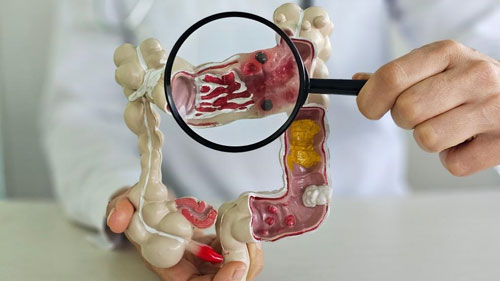
Depending on the stage and location of the tumor, surgery may involve removing a portion of the colon or rectum along with nearby lymph nodes to ensure complete cancer treatment while preserving normal bowel function whenever possible.
Colorectal cancer surgery may be recommended for:
Patients may experience several advantages, including:
You should consult a specialist if you experience:
Every patient undergoes detailed evaluation including colonoscopy, biopsy, imaging studies, and cancer staging before planning surgery. Treatment is customized based on the location, size, and stage of the cancer.
Advanced laparoscopic and robotic-assisted techniques may be used to remove tumors with greater precision while minimizing damage to surrounding healthy tissues and improving post-surgical recovery.
Early diagnosis and treatment can help:
Recovery after colorectal cancer surgery depends on the type of procedure performed and the patient’s overall health. Minimally invasive techniques generally allow less pain, smaller scars, and faster return to daily activities with proper follow-up care.
The goal of colorectal cancer surgery is to provide safe, effective, and personalized cancer treatment while improving recovery, comfort, and long-term patient outcomes.