Call For Appointment
+91 9373396707Quick Links
Jupiter Hospital, Dombivli
Jupiter Hospital, Thane
Retroperitoneal Tumor Surgery is performed to treat tumors that develop in the retroperitoneal space, the area located deep inside the abdomen behind the abdominal organs. These tumors may arise from soft tissues, nerves, fat, blood vessels, or nearby organs and often require specialized surgical expertise for safe and effective removal.
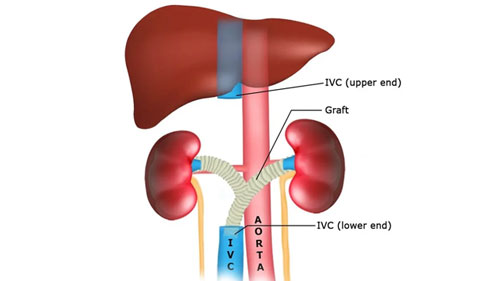
Because retroperitoneal tumors can grow silently and become large before causing symptoms, early diagnosis and timely surgical treatment are important for improving outcomes and preventing complications.
Retroperitoneal tumor surgery may be recommended for:
You should consult a specialist if you experience:
Patients may experience several advantages, including:
Every patient undergoes detailed evaluation including imaging scans such as CT or MRI, biopsy, and cancer staging before surgery is planned.
Surgical treatment focuses on complete tumor removal while carefully preserving nearby organs, blood vessels, and nerves whenever possible. In some cases, surgery may be combined with chemotherapy or radiation therapy for improved outcomes.
Early diagnosis and treatment can help:
Recovery depends on the size and location of the tumor as well as the complexity of the surgery. With proper post-operative care and follow-up, many patients experience gradual recovery and improved quality of life.
The goal of retroperitoneal tumor surgery is to provide safe and effective tumor removal while improving recovery, organ function, and long-term patient outcomes.