Call For Appointment
+91 9373396707Quick Links
Jupiter Hospital, Dombivli
Jupiter Hospital, Thane
Head & Neck Cancer Surgery involves the diagnosis and surgical treatment of cancers affecting the mouth, tongue, throat, voice box, salivary glands, thyroid, nose, and surrounding structures. Early diagnosis and timely surgical intervention are important for improving treatment outcomes and preserving essential functions such as speech, swallowing, and breathing.
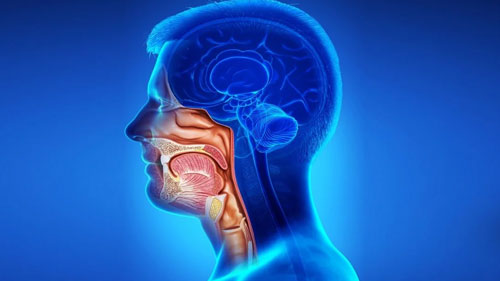
Advanced surgical techniques, including minimally invasive and reconstructive procedures, help remove cancer effectively while maintaining appearance and quality of life whenever possible.
Head & neck cancer surgery may be recommended for:
You should consult a specialist if you experience:
Certain factors may increase the risk of head and neck cancers, including:
Every patient undergoes detailed evaluation including physical examination, imaging scans, biopsy, and cancer staging before planning treatment.
Depending on the type and stage of cancer, surgery may be combined with chemotherapy, radiation therapy, or reconstructive procedures for comprehensive cancer care.
Early diagnosis and treatment can help:
Recovery after surgery depends on the type and extent of the procedure performed. Proper rehabilitation, nutritional support, speech therapy, and regular follow-up are important for smooth recovery and long-term monitoring.
The goal of head & neck cancer surgery is to remove cancer effectively while preserving important functions, improving recovery, and enhancing overall quality of life.