Call For Appointment
+91 9373396707Quick Links
Jupiter Hospital, Dombivli
Jupiter Hospital, Thane
Peritoneal Surface Malignancy Treatment focuses on cancers that spread to the lining of the abdominal cavity, known as the peritoneum. These cancers may originate from organs such as the colon, stomach, appendix, ovaries, or other abdominal organs. Advanced treatment approaches help control disease spread, improve survival outcomes, and enhance quality of life.
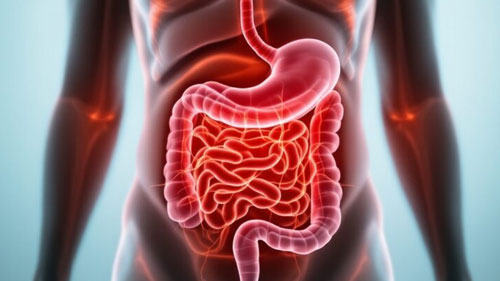
Treatment often involves a combination of Cytoreductive Surgery (CRS), HIPEC (Hyperthermic Intraperitoneal Chemotherapy), systemic chemotherapy, and advanced surgical techniques tailored to the patient’s condition and cancer stage.
Peritoneal surface malignancy treatment may be recommended for:
Patients may experience several advantages, including:
You should consult a specialist if you experience:
Every patient undergoes a comprehensive evaluation including imaging studies, biopsy, cancer staging, and overall health assessment before planning treatment.
Treatment may involve Cytoreductive Surgery (CRS) to remove visible tumors, followed by HIPEC to deliver heated chemotherapy directly into the abdominal cavity for targeted cancer treatment.
Early diagnosis and timely intervention can help:
Recovery depends on the extent of surgery and overall health condition. Regular follow-up, nutritional support, and monitoring are important for maintaining recovery and long-term cancer care.
The goal of peritoneal surface malignancy treatment is to provide advanced, personalized, and effective cancer care while improving survival, recovery, and quality of life for patients.