Call For Appointment
+91 9373396707Quick Links
Jupiter Hospital, Dombivli
Jupiter Hospital, Thane
PIPAC (Pressurized Intraperitoneal Aerosol Chemotherapy) is an advanced minimally invasive treatment used for cancers that have spread within the abdominal cavity. This innovative procedure delivers chemotherapy as a pressurized aerosol directly into the abdomen, allowing better penetration of medication into cancer tissues.
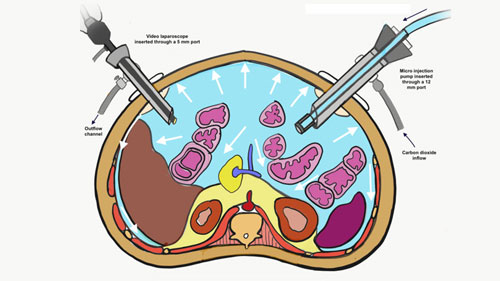
PIPAC is generally performed using laparoscopic techniques through small incisions, making it a less invasive option for selected patients with peritoneal surface malignancies or advanced abdominal cancers.
PIPAC may be recommended for:
Patients may experience several advantages, including:
You should consult a specialist if you experience:
Before planning PIPAC treatment, patients undergo detailed evaluation including imaging studies, biopsy, cancer staging, and assessment of overall health condition.
During the procedure, chemotherapy is delivered into the abdominal cavity as a fine pressurized aerosol using laparoscopic techniques. This helps improve drug distribution and direct contact with cancer cells.
Timely treatment can help:
Recovery after PIPAC is generally faster due to its minimally invasive nature. Most patients experience less pain and quicker return to normal activities with proper follow-up and supportive care.
The goal of PIPAC treatment is to provide advanced, targeted, and minimally invasive cancer therapy while improving symptom control, recovery, and overall patient outcomes.