Call For Appointment
+91 9373396707Quick Links
Jupiter Hospital, Dombivli
Jupiter Hospital, Thane
Cytoreductive Surgery (CRS) is an advanced surgical procedure used to treat cancers that have spread within the abdominal cavity, particularly to the peritoneal lining. The primary goal of CRS is to remove all visible cancer deposits from the abdomen to improve treatment outcomes and survival rates.
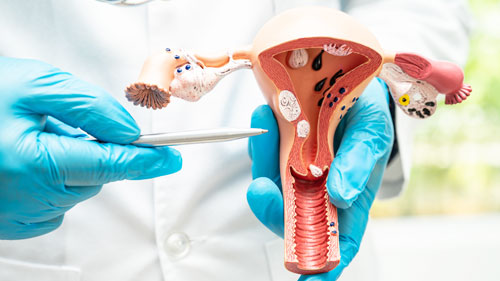
CRS is often combined with HIPEC (Hyperthermic Intraperitoneal Chemotherapy) for selected patients to target microscopic cancer cells and provide comprehensive cancer treatment.
Cytoreductive Surgery may be recommended for:
Patients may experience several advantages, including:
You should consult a specialist if you experience:
Every patient undergoes detailed evaluation including CT scans, PET scans, biopsy, and cancer staging before determining suitability for CRS. Treatment planning is highly individualized based on the extent of disease and overall patient health.
During surgery, visible cancer tissues are carefully removed from affected abdominal areas. In selected cases, CRS may be followed by HIPEC to destroy remaining microscopic cancer cells within the abdomen.
Timely intervention can help:
Recovery after CRS depends on the extent of surgery and the patient’s overall health. Proper nutritional support, follow-up care, and monitoring are essential for successful recovery and ongoing cancer management.
The goal of Cytoreductive Surgery (CRS) is to provide advanced and effective treatment for abdominal cancers while improving disease control, survival outcomes, and patient quality of life.